
The Illusion of the Ideal Family
Chanson douceThe apparent perfection of the Massé household rests on performance, paid labor, and a desire to believe that family life can be made effortless.
increasing Bearing strength in each event
 decreasing
Bearing strength in each eventdecreasingA Home Prepared for Judgment
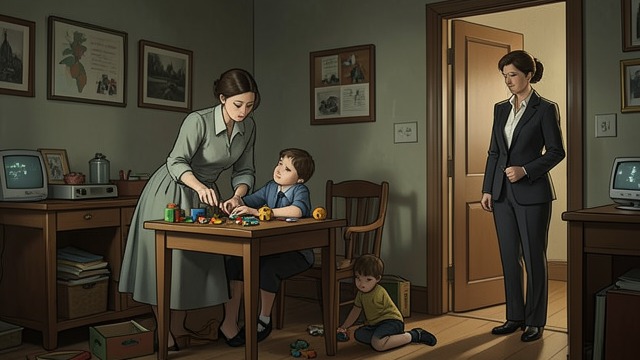
Respectability on Display
Cleaning for candidates
Myriam and Paul arrange their small apartment and ask Mila to put away toys. They want applicants to see an orderly home and a serious family.
The family as performance
The effort to appear respectable reveals how anxious they are about being judged as employers and parents. Their ideal household begins as an image to be presented to someone they will pay.
Louise Makes It Seem Easy

Domestic Perfection
The apartment transformed
Louise organizes cupboards, cleans, cooks, and manages the children. The home appears brighter and more peaceful, as if practical hardship has vanished.
The hidden cost
The order depends on Louise’s labor and extraordinary availability. The family’s comfort is mistaken for a natural improvement rather than the result of work transferred to someone with less power.
The Birthday Spectacle
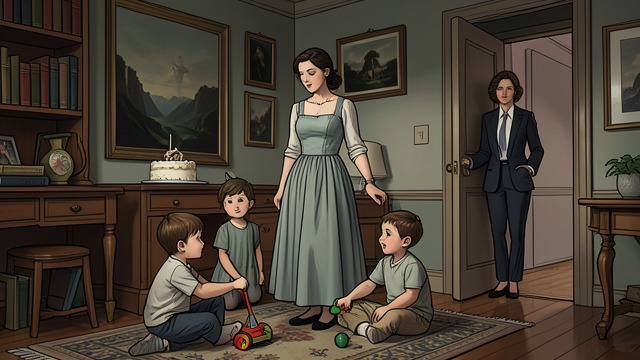
A Perfect Party
Louise creates the celebration
She moves heavy furniture, fills the apartment with decorations, and entertains the children with songs and tricks. Myriam retreats from the event, grateful that Louise can manage it.
Parenting performed and delegated
The party gives Mila joy and Myriam relief, but it also dramatizes how the nanny supplies the imaginative family life the parents feel unable to provide. Perfection appears effortless because its labor is hidden.
The Vacation Photograph

The Family Portrait
Louise included in the frame
Paul photographs Louise holding the children while Myriam shops. Myriam later places the image in the apartment and tells Louise she is part of the family.
Belonging without security
The photograph offers proof of affection but not a change in status. Louise can appear inside the family image while remaining an employee whose future there is uncertain.
The Image Breaks

A Family Without Its Caregiver
Louise seen elsewhere
Myriam glimpses Louise alone in the city and suddenly recognizes that she has a life beyond the household. The nanny appears strange and distant outside the role that the family knows.
The ideal cannot hold
The moment exposes the limits of the family’s claim that Louise belongs with them. Their domestic happiness has depended on someone whose independent existence they have barely imagined.
Before the nanny interviews
Several weeks after she is hired
Mila’s birthday afternoon
During the Greek holiday
The evening the family returns from Thomas’s country house
